
Solving complex engineering challenges with innovative materials and methods. Hybrid CNC manufacturing, 5-axis precision machining, exotic alloy work, thermoforming, and polymer additive — applied across industries with one quality standard.
Wire Laser Metal Deposition (w-LMD) is one of the most advanced form of metal additive manufacturing available. We pair dual wire laser heads with a full 5-axis CNC platform within a single machine, enabling additive and subtractive operations in one setup without moving the part.
Unlike powder bed fusion, w-LMD deposits material as a fully-dense bead directly from wire feedstock under a focused laser. The result: near-net-shape components with no powder contamination risk, a larger build envelope than any competing metal additive system, and the ability to combine two dissimilar alloys within a single build.
| Attribute | Wire Laser (w-LMD) — Our System | Powder Bed Fusion |
|---|---|---|
| Part Density | Fully dense — laser-fused wire bead, zero porosity | Sintered — inherently porous without HIP treatment |
| Multi-Alloy | Two dissimilar alloys in a single build (Alloy Composite™) | Single alloy per build — no graded or composite parts |
| Build Envelope | Exceptionally large build envelope with scalable deposition capability | Constrained by fixed powder bed — small ceiling |
| Powder Hazard | Zero — wire feedstock, no inhalation or explosion risk | Explosive + inhalation hazard — requires controlled environment |
| Material Waste | Near-zero — wire is deposited only where needed | Significant — unused powder recycling is lossy and hazardous |
| Repair / Modify | Yes — add material to existing components in the same setup | Impossible — parts must be built from scratch |
| Machining Integration | 5-axis CNC in same machine — no setup change required | Requires full depowdering and separate CNC setup |
w-LMD technology by Meltio · Phillips Additive Hybrid · Haas UMC-750 and VF5SS
We work across a wider material range than any standard machine shop. Nickel superalloys, cobalt-chromium, titanium, PEEK, PEKK, thermoplastic composites, and commodity alloys — selected by application, not by what's stocked on the shelf. The categories below represent a cross-section of what we work with, not the full list.
View the interactive material comparison chart →One quality standard — applied to two very different worlds. The discipline that holds a bearing alive at 9,000 RPM is the same discipline that keeps an armament component in spec in the field.
From raw alloy to finished part — in house. We don't rely on outside processing for critical steps. The full suite of manufacturing methods is available under one roof, with one quality standard across every operation.
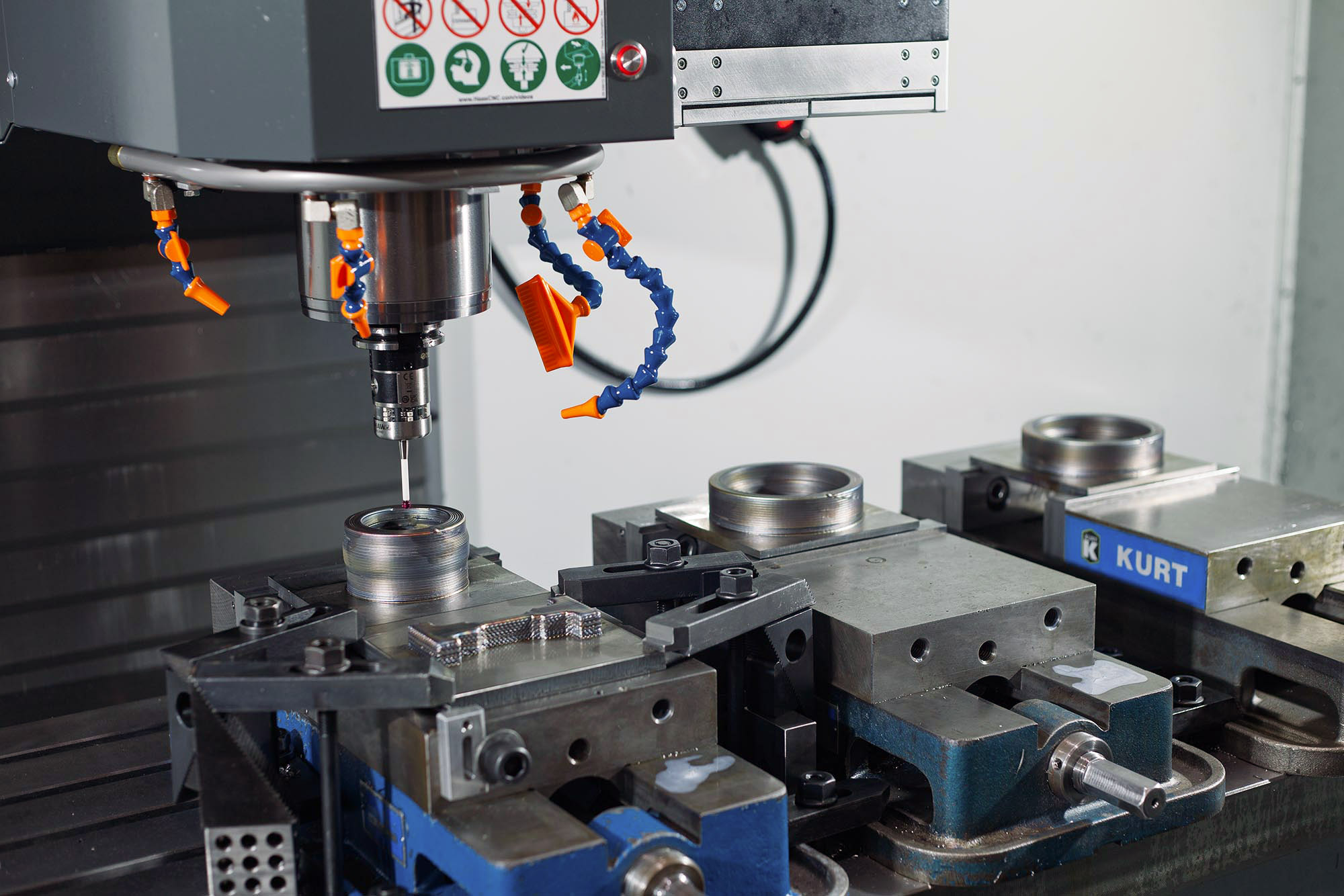
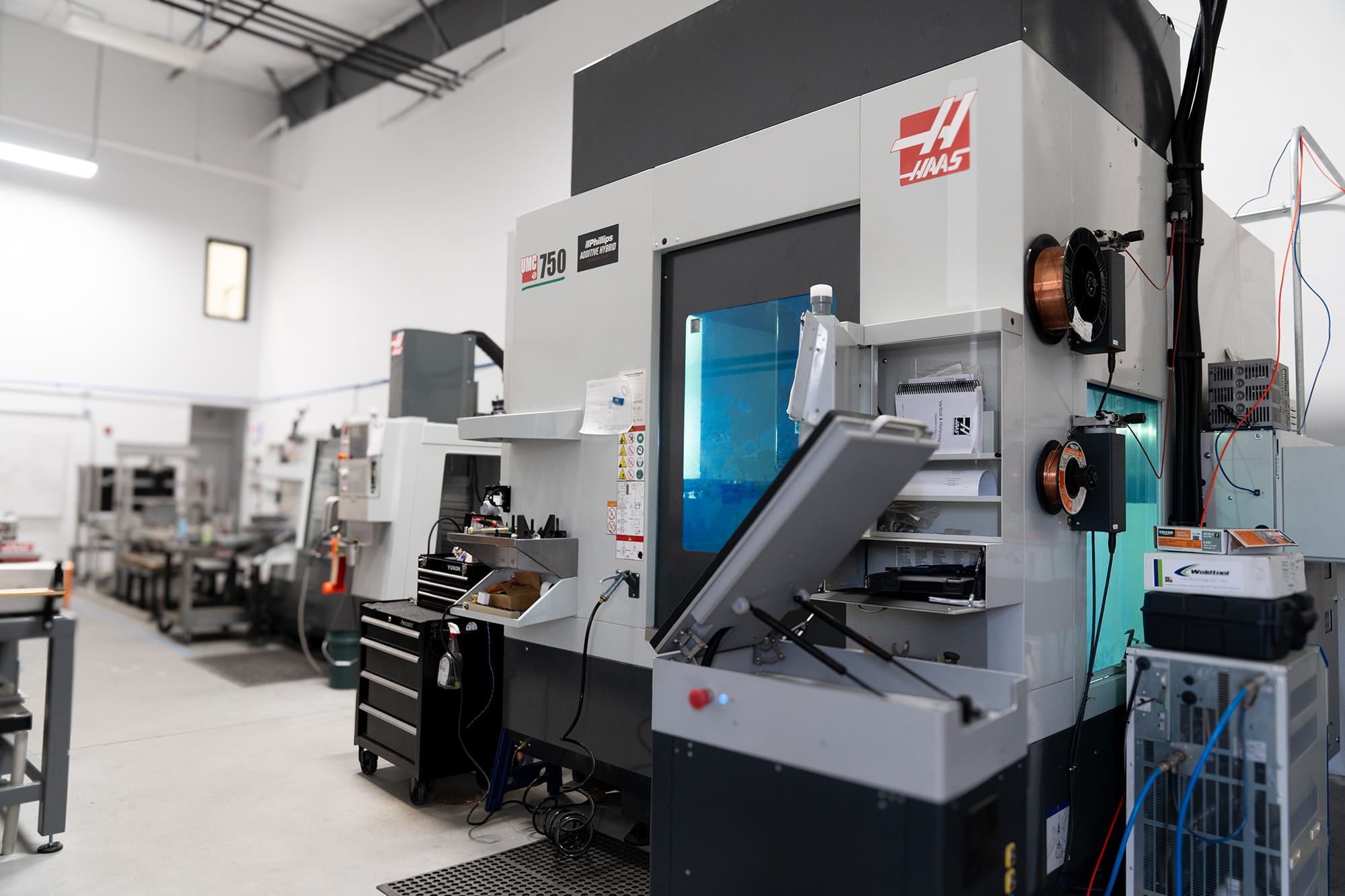
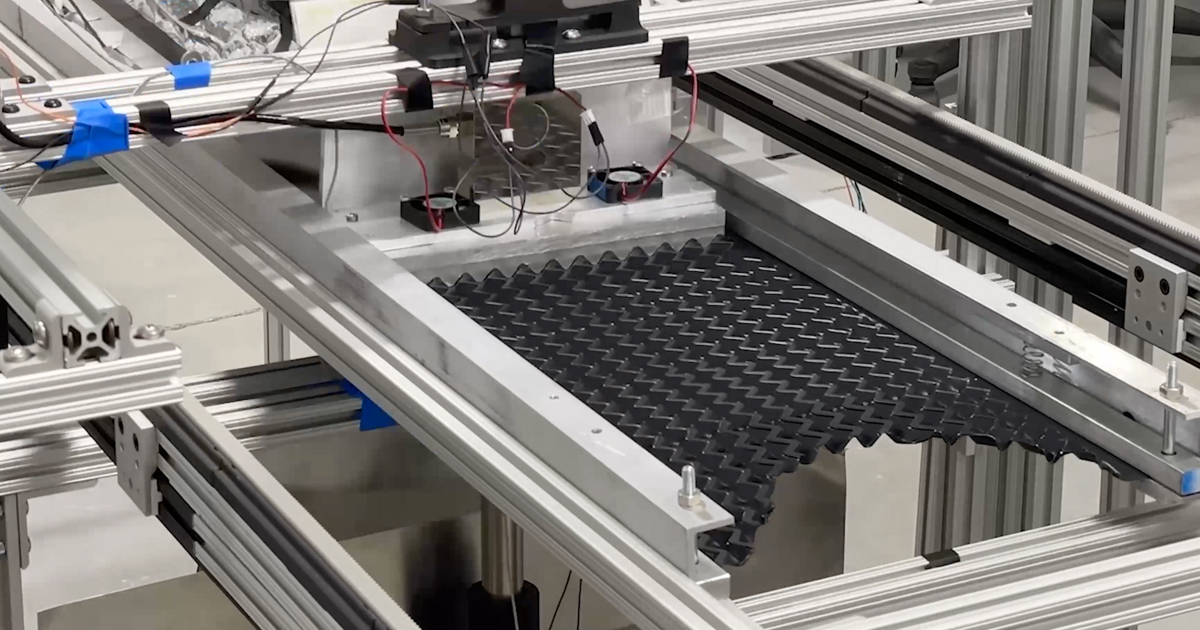
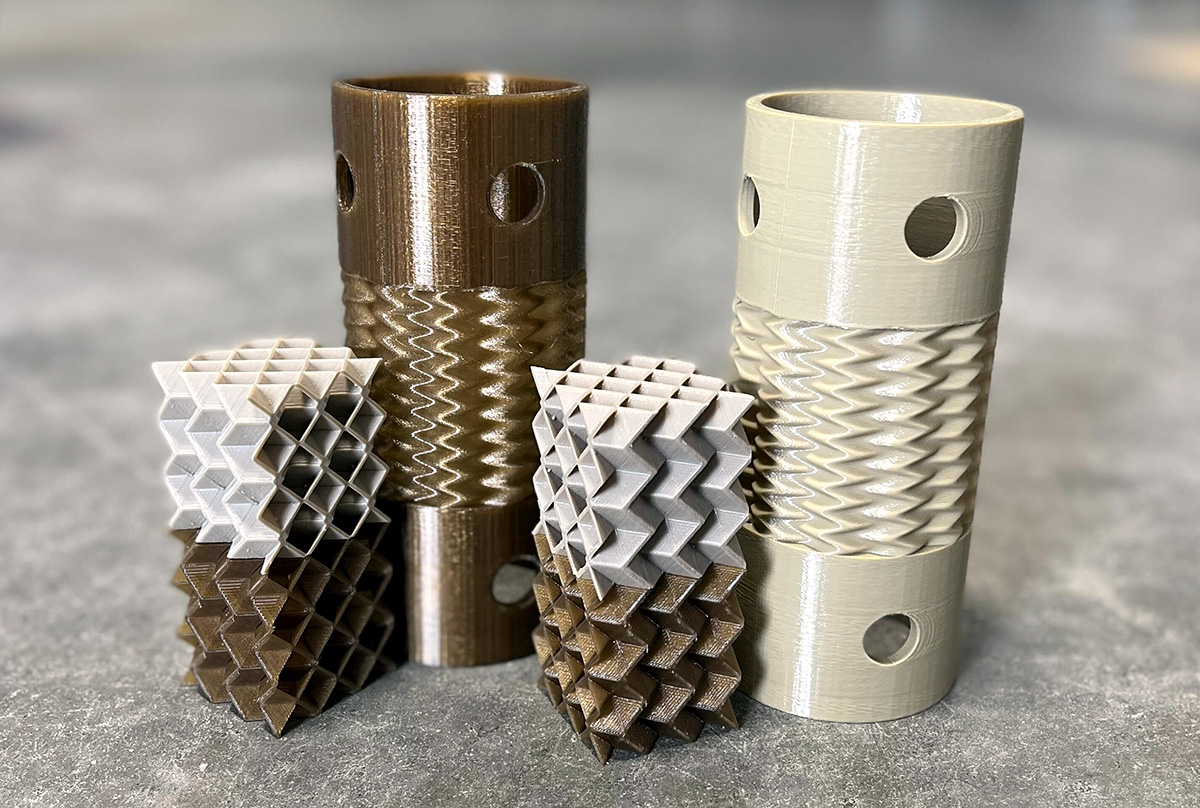
5-axis CNC with dual wire laser heads — additive and subtractive in one setup. Near-net-shape builds in nickel superalloys, cobalt-chromium, titanium, and multi-alloy composites.
Sub-thousandth tolerances on all critical surfaces. CMM 100% inspection. Surface finish to Ra ≤0.4μm.
Thermoplastic composite sheets transformed into complex shapes using heat, pressure, and molds. Structural aero panels, enclosures, and composite skins.
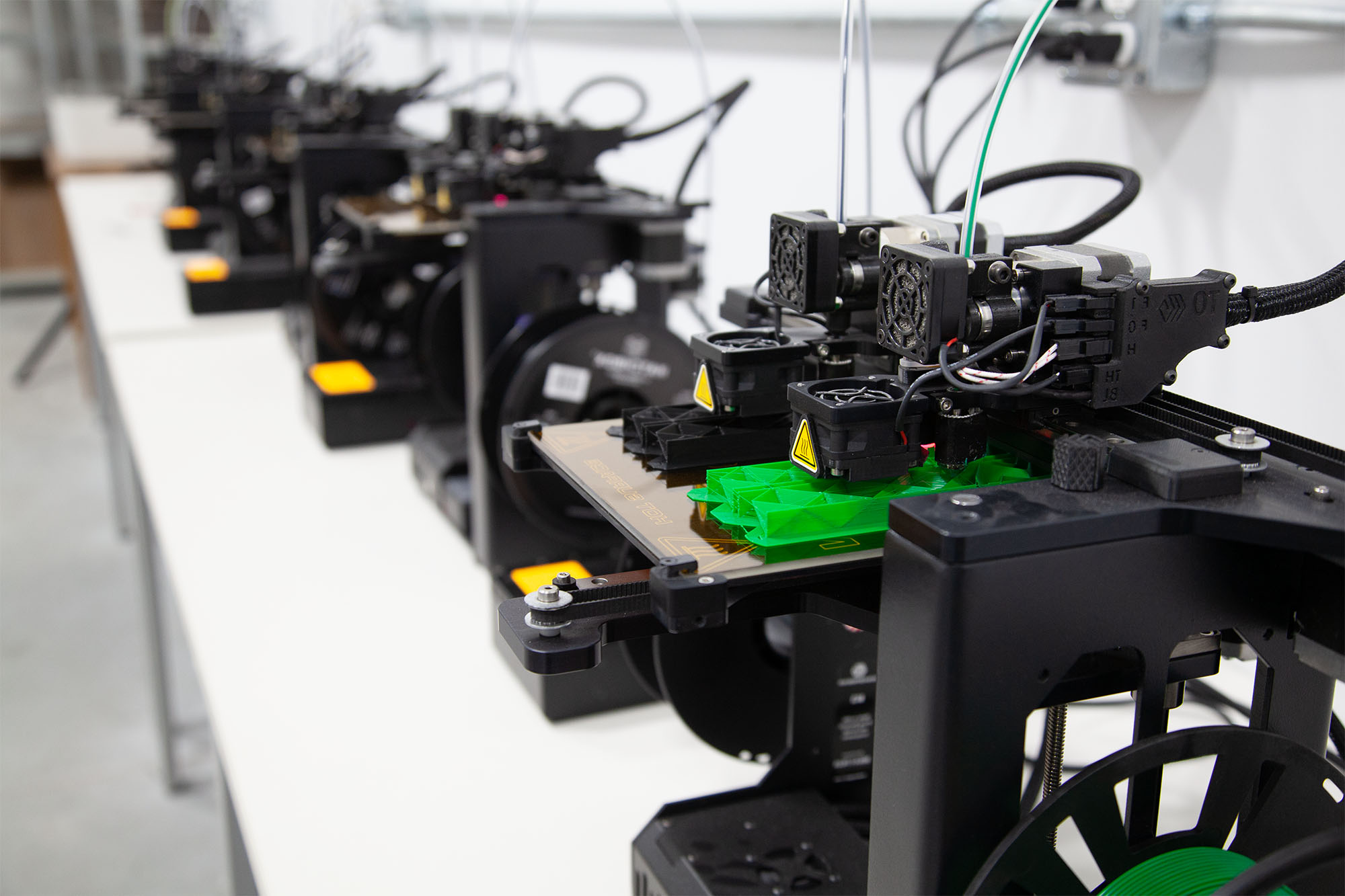
Industrial and commodity printers for high-temperature thermoplastics, composite polymers, neat polymers, and metal-infused resins.
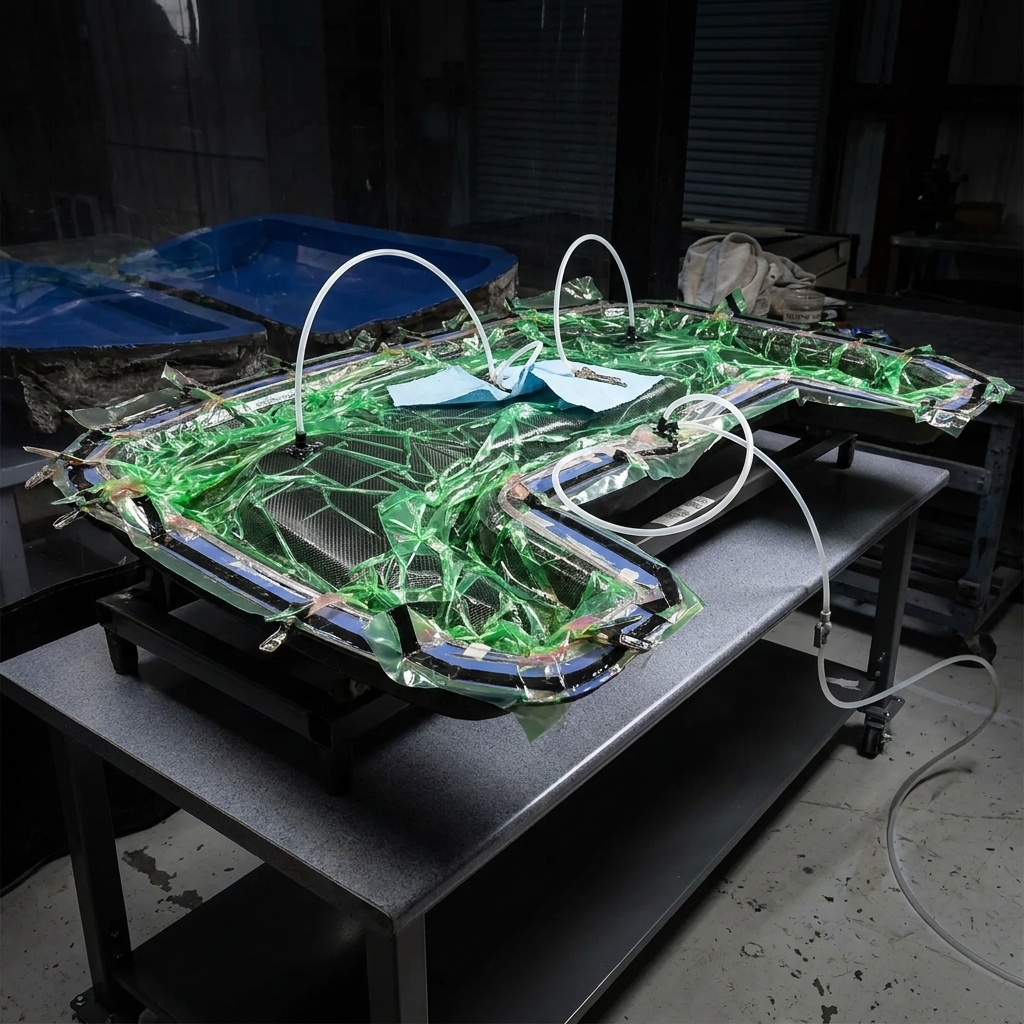
In-house tooling, mold fabrication, and hand lay-up. Dry carbon fiber structural panels and aero components for the GT4 and GT3 programs.
From concept to physical part in the shortest possible cycle. First articles and functional prototypes in any qualified material.
Our engineering pedigree rests on a solid foundation of R&D and commercialization across the most demanding industries on earth. As a member of the Multiscale Group, we benefit from a collaborative atmosphere of research, product design, and manufacturing.
Have drawings, specs, or a rough concept? Send it over. We'll review it and come back with a straight answer on feasibility, timeline, and cost.
Start a Project →Motorsport or Defense — each division runs its own program. Choose which one fits your application and we'll take it from there.
Select a Division →